Injury Prevention - Tennis & Padel
The last thing you want, when starting a new sport is to be injured at the start of your journey. You've just got hooked to this new sport, bought all the clothes & equipment & have signed up to a new club but now you face weeks or months on the sidelines due to an injury. The agonizing wait to get back on court or the injury itself could potentially put you off from playing ever again & we don't want that!
One easy way to help prevent an injury early on is to invest in a 1:1 lesson with a coach at the very start of your journey if you're new to the sport or haven't played in a long time. We can make sure that you are wearing the right shoes for you & the sport/surface & that you are using the right racket or we can point you in the right direction.
Shoes:
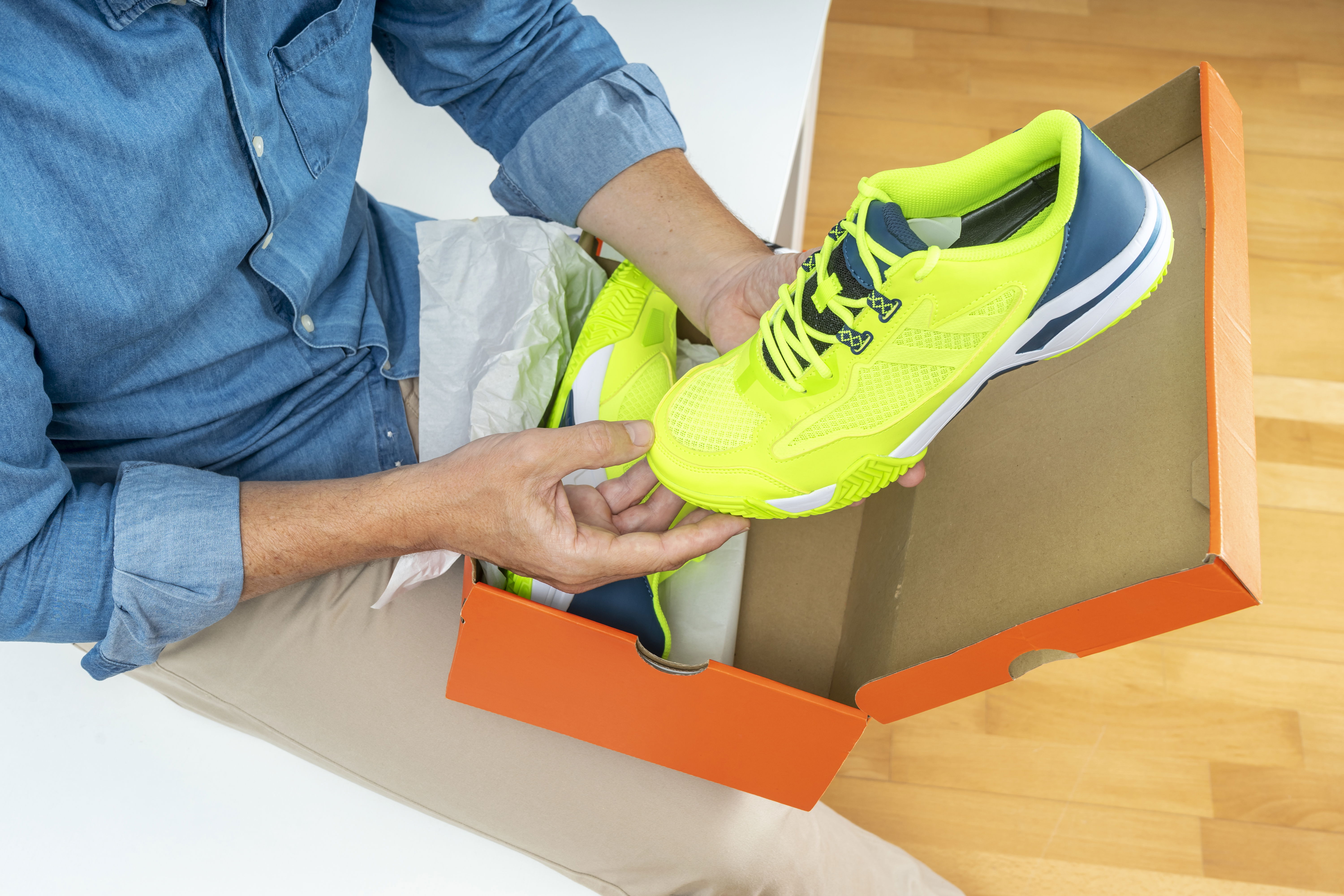
People don't realise how important the shoes you're wearing are! Running shoes or sneakers aren't good enough for tennis or padel. You need shoes with good ankle support, cushioning on the sole & not too tight so your feet can breathe & have room to move a little in your shoe. You can buy specific tennis shoes & specific ones for different court surfaces. The ones tailored to a specific surface will have the right grip on the bottom of the shoe, so you can get the most out of your movement on that particular surface. If you always play on one same surface, then I recommend you buy some for that surface 100%.
Now let's talk padel, tennis shoes are fine for padel as they have good ankle support & usually enough cushioning, it's a good start. But, padel shoes are meant for padel & yes they are different from tennis shoes. Tennis is a lot of side to side movement but padel is more forward and backward so the shoes are tailored for that specific forward and backward movement. I would recommend investing in some good tennis or padel shoes before you start playing, then there is less chance of picking up an injury from the start!
Tennis racket:
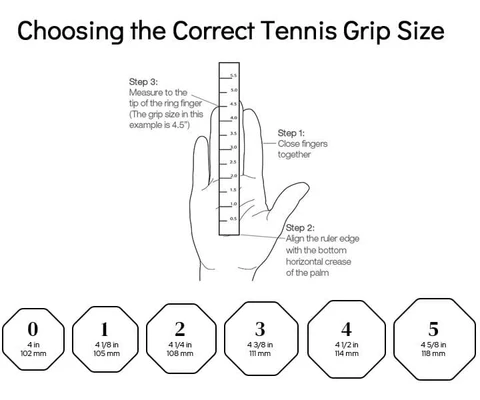
Next is choosing the right racket for you, one of the main things with a tennis racket is making sure you have the right grip size, they go from 0-5, 0 being the smallest & 5 is the biggest. If you ever need to make your grip a little bigger you can always apply some overgrips over the top of the original grip. Make sure you know what grip size you are before you purchasing one, this will help in the prevention of tennis elbow.
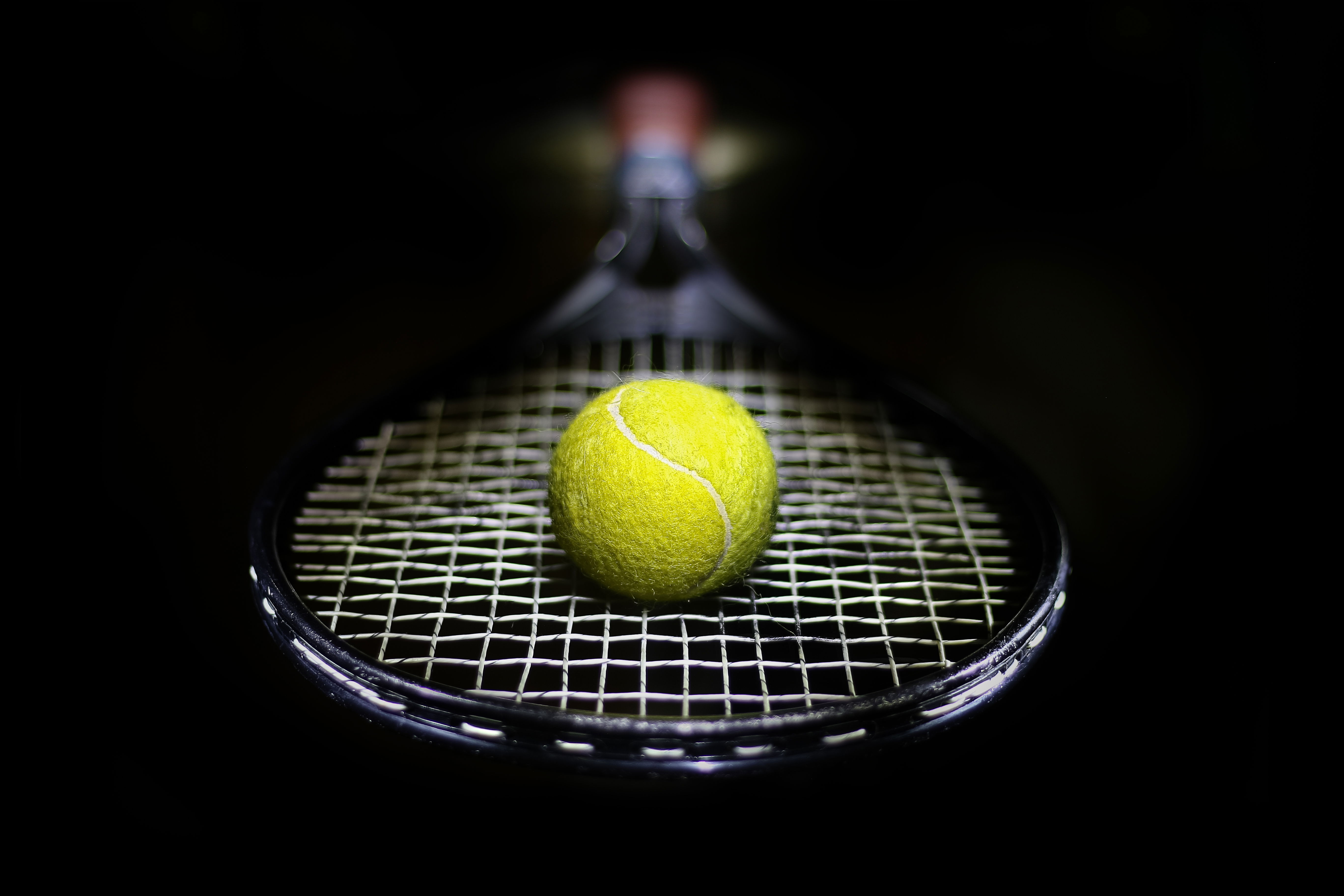
Next up, is finding the right weight for you, the lighter the racket the easier it is on your arm & the more maneuverable it is when playing, but you don't get as much power as a heavier racket. The heavier it is the harder it is on your arm, but you won't need to hit the ball as hard as the racket will do the work for you. It's about finding the right balance for you and your playstyle. Having a dampener on the strings is also meant to help take some of the tension out of your shots, making it more comfortable on your arm.
Lastly, your strings on the racket. The higher the tension in your strings can make it feel more stiff & uncomfortable when hitting, but a low-mid tension would absorb more of the shots & be more comfortable on your arm. Natural gut strings are slightly softer & more comfortable when hitting however polyester can be stiff & harsh on the arm, so again it's choosing what feels comfortable for you, so you don't get any injuries and so it suits your game style.
Padel Racket:
Unlike tennis rackets there are currently no different grip sizes on padel rackets due to how they are made. How to make sure it's comfortable and won't injure you. Firstly, when holding the grip check the space between the palm of your hands & fingers, there should be just enough space to fit your finger in the gap. If not, I would suggest you put an over grip over the top of the grip already on the racket. Next is comfort, how does it feel to you, not everyone will be the same when it comes to holding the racket. If it feels comfortable in your hand, it feels secure without having to squeeze tightly onto the racket, then it's good to go! Make sure to replace the over grip if you start to lose grip or if it wears down. Best thing is to test it, test with the original grip on first, if it feels loose or too small then buy some over grips and put one on top, test & repeat till you find the sweet spot and stop there.
Next is the weight of the rackets, there isn't much difference between the lightest & heaviest but it can still make a difference. The weights typically range from 355g - 375g. Heavier rackets give you more power, lighter rackets are more comfortable to maneuver but you have to hit the ball harder to generate the power. Having a low balance in the racket will help also, if the racket is head heavy, it will potentially feel heavier and stiffer on your arm. There are a couple more things to look out for but these are the main ones when choosing a racket for you!